Originally from Southeast Asia, the tropical tree known technically as Mitragyna speciosa has attracted a lot of interest lately. Although kratom has long been utilised in traditional medicine in nations including Thailand, Malaysia, and Indonesia, its increasing appeal in the modern health and leisure venues has spurred a flood of curiosity, controversy, and study. From its use in traditional remedies to its modern-day uses, this blog post investigates the amazing development of kratom and emphasises the cultural, scientific, and legal ramifications of its growing consumption.
What is Kratom?
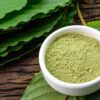
Kratom is a large, evergreen tree in the coffee family, with leaves that contain a variety of alkaloids, the most prominent being mitragynine and 7-hydroxymitragynine. These alkaloids interact with opioid receptors in the brain, which is why kratom is often discussed in relation to its potential pain-relieving and mood-enhancing properties. Traditionally, the leaves of the kratom plant were consumed in various ways, such as chewing them directly, brewing them into tea, or using them as a powder.
Though kratom has been around for centuries in Southeast Asia, its popularity in Western countries is more recent, owing to both its purported benefits and the controversies surrounding its safety and legal status.
The Traditional Use of Kratom
- Southeast Asia: The Original Home of Kratom
The history of kratom use dates back to the 19th century in Southeast Asia, where it has been an integral part of cultural and medicinal practices for centuries. In countries like Thailand, Malaysia, and Indonesia, kratom was traditionally used by farmers and laborers to combat fatigue, alleviate pain, and enhance endurance during long hours of work.
In these communities, kratom was not only used as a stimulant, but also as a form of traditional medicine to treat ailments such as diarrhea, muscle pain, and even as an antidote for opiate addiction. Kratom leaves were often chewed fresh, or dried and crushed into a powder, which was then brewed into a tea. This herbal remedy helped people manage physical pain, but it also served as a social and cultural ritual in many communities. - Kratom in Traditional Medicine
In addition to its stimulant properties, kratom has been used as an herbal remedy for a variety of physical and mental health issues. In traditional medicine, kratom was commonly used to treat conditions like chronic pain, anxiety, depression, and even opioid withdrawal. Some people used kratom to replace addictive substances, such as opium or alcohol, because it produced a less intense, but still effective, effect.
In Thailand, kratom was even included in the National List of Essential Medicines in the 1940s, highlighting its importance in local healthcare. It was primarily used for pain relief, particularly in rural areas where access to modern pharmaceuticals was limited. However, due to the rise of synthetic drugs and Western-style medicine, traditional uses of kratom began to decline, but its cultural importance persisted.
Kratom’s Introduction to the Western World
- The Beginnings of Kratom is Global Awareness
Kratom remained relatively unknown outside of Southeast Asia for most of the 20th century. It wasn’t until the late 1990s and early 2000s that kratom began gaining traction in Western countries, largely due to the internet and the spread of information about alternative medicine. As the global interest in herbal and natural remedies grew, kratom was discovered by Westerners who sought it out for its potential benefits, including pain relief, energy boosting, and mood enhancement.
The internet played a crucial role in the expansion of kratom’s popularity. Online forums, websites, and social media allowed users to share their personal experiences with kratom, its benefits, and its potential risks. As a result, kratom began to be marketed as a natural alternative to pharmaceutical painkillers and a solution to the opioid epidemic in many countries, especially in the United States. - The Rise of Kratom as a Wellness Product
In the early 2000s, kratom began to appear in health food stores, smoke shops, and online retailers as a dietary supplement. With claims of helping people manage chronic pain, reduce stress and anxiety, and even improve focus and productivity, kratom was quickly embraced by many as a natural alternative to prescription medications. As a result, kratom gained a reputation as a holistic remedy for a wide range of physical and emotional concerns.
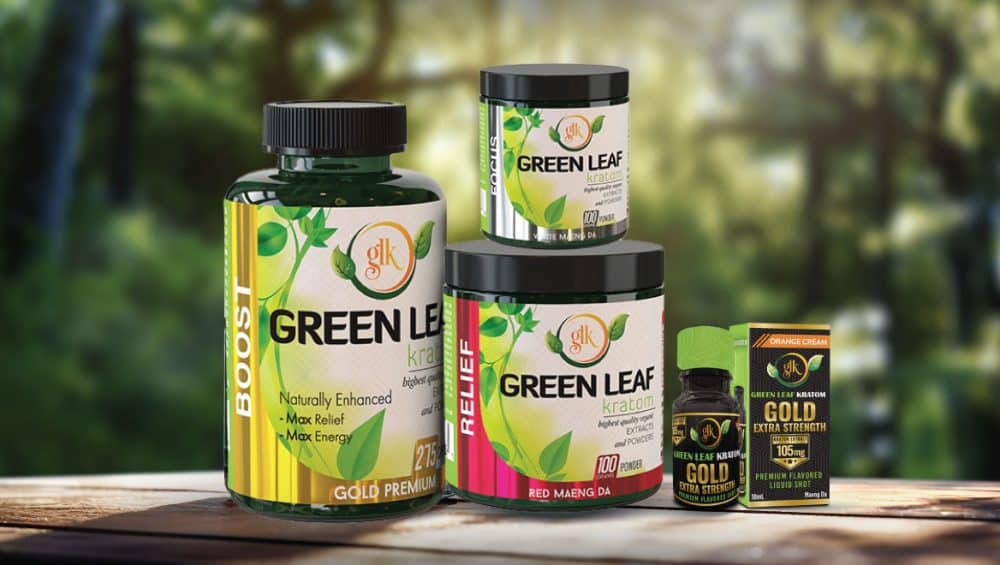
At the same time, kratom’s increasing popularity led to the development of various forms and products. Kratom leaves were available in their natural dried form, while powdered kratom, capsules, extracts, and tinctures also emerged. These new forms of kratom made it easier for users to consume the substance, as well as adjust the dosage to meet individual needs.
The Modern Use of Kratom
- Kratom as a Natural Pain Reliever
In recent years, one of the most prominent reasons people use kratom is for its pain-relieving properties. With the growing concern over the opioid epidemic and the addictive nature of prescription painkillers, many individuals have turned to kratom as an alternative pain management option. The alkaloids in kratom, particularly mitragynine and 7-hydroxymitragynine, interact with opioid receptors in the brain, which can provide pain relief without the same risks of addiction associated with prescription opioids.
However, while kratom may provide effective relief for some people, its use as a pain management tool has raised concerns among medical professionals and regulators. The lack of standardized dosage guidelines, inconsistent quality control in kratom products, and the potential for dependence or adverse effects are important factors that contribute to the ongoing debate about kratom’s safety and efficacy. - Kratom for Mental Health and Energy
Beyond pain relief, many individuals use kratom for its stimulating or mood-enhancing effects. In small to moderate doses, kratom can act as a stimulant, providing a boost in energy, focus, and motivation. For individuals dealing with fatigue, depression, or anxiety, kratom has become a popular alternative to prescription stimulants or antidepressants.
In some instances, kratom’s mood-boosting effects are thought to be particularly beneficial for individuals struggling with opioid withdrawal. Some studies suggest that kratom may help alleviate withdrawal symptoms by acting on the same receptors in the brain that opioids affect, but with a less intense and addictive effect. This has led to the use of kratom as a potential tool for addiction recovery, though more research is needed to fully understand its safety and long-term effects.
Conclusion
Kratom’s journey from a traditional remedy in Southeast Asia to a modern wellness trend in the West is a testament to the plant’s unique and versatile properties. While its effectiveness for various health concerns is still being studied, it has certainly earned a place in the conversation about alternative medicine and natural remedies. As the legal and scientific landscape continues to evolve, kratom’s future will likely depend on continued research, regulation, and education to ensure its safe and responsible use in modern society.